0
0 0
0 0
0 0
0 0
0


 Private
 Private

 Private
 To join the forums you need to be logged in.













Lyncait wrote:


The most known holiday in the winter season is Christmas, but did you know that there are many other holidays that are also celebrated in this season?
To get into the mindset of these holidays,
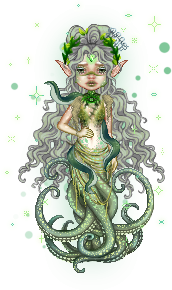
here is a gift to claim for both F and M!
F: Tw1nkl1ngSt4rsF
M: St4rsTw1nkl3M

Now let's take a look at a few examples of holidays celebrated during this period:
 Las Posadas is a holiday celebrated in Latin America. The name is Spanish for 'the lodging' of 'the accomodation' and is a reference to the inn from the birth of Jesus Christ. It is typically celebrated every year from the 16th of December to the 24th of December. The holiday is nine days long (called the novena) and each day represents one month of Mary's, the mother of Jesus Christ, pregnancy. The holiday is celebrated with religious devotions in the church and with parties with tamales, ponche (spiced fruit punch), and buñuelos (sweet fried fritters) as common foods and drinks. There can also be piñatas that the children break open, which are filled with candy, toys, and, occasionally, money. The piñatas are usually crafted in the form of the Star of Bethlehem, which is said to have guided the three wise men of biblical tradition to the newborn Jesus.
Kwanzaa is a holiday celebrated by many African-Americans. It's name means “first,” from the Swahili phrase matunda ya kwanza (first fruits of the harvest). It's celebrated from December 26th to January 1st. The holiday started in 1966, is based on African harvest festival traditions from various parts of West, East, as well as Southeast Africa and it celebrates African heritage, unity, and culture. Each of the seven days of Kwanzaa is dedicated to one of the principles:
Umoja (Unity), Kujichagulia (Self-determination), Ujima (Collective work and responsibility), Ujamaa (Cooperative economics), Nia (Purpose), Kuumba (Creativity) and Imani (Faith). On December 31st, the sixth day of Kwanzaa, there is a large feast called Karamu, which means feast in Swahili, with food, music and dance. The main dish served at Karamu tends to be a one-pot stew, which can include everything from Ghanaian groundnut stew and Red red (African stewed black-eyed peas) to Cajun jambalaya and Creole gumbo. The menu will also likely include a few symbolic foods: the mazoa (fruits and vegetables symbolizing the bounty of the harvest) and the muhindi (ears of corn symbolizing fertility and representing each child in the family).
Sinterklaas is a holiday which celebrates Saint Nicholas, a patron saint of children. It is celebrated in the Netherlands on the 5th of December and on the 6th of December in Belgium, Luxembourg, Germany and France. This holiday is the most popular in the Netherlands, where the festivities traditionally begin in mid-November, when Sinterklaas arrives by a steamboat from Spain. He is welcomed by children cheering and singing traditional Sinterklaas songs. His assistants, the Pieten, throw candy and small, round, gingerbread-like cookies, either kruidnoten or pepernoten, into the crowd. Sinterklaas rides his horse over the rooftops at night, delivering gifts through the chimney to the well-behaved children. Traditionally, naughty children risked being caught by the Pieten, who carried a jute bag and willow cane for that purpose. Before going to bed, children each leave a shoe out with some food for Sinterklaas' horse, and the children sing a Sinterklaas song. The next day, they find some candy or a small present in their shoes.
Yule is an ancient festival of Germanic origin celebrated around the winter solstice. This twelve-day celebration, from December 21st to January 1st is known as Jól in Old Norse. Before Christmas, Yule was a significant holiday for the Northern Germanic people, including the Norse, who honored the rebirth of the sun with feasting, singing, and the burning of a Yule log. Families would light a large log in their hearth, believing it brought good fortune to keep it burning for twelve nights. Evergreen trees and branches were also central to the festivities, symbolizing life and renewal, with people decorating homes and sharing gifts of food to honor tree spirits. In modern days, the holiday is mostly celebrated by Heathens and Wicca. Some Heathens celebrate Yule by sharing a meal and by giving gifts. In most forms of Wicca, this holiday is celebrated at the winter solstice as the rebirth of the Great horned hunter god, who is viewed as the newborn solstice sun. The method of gathering for this sabbat varies by practitioner. Some have private ceremonies at home or with their covens.
The most known holiday in the winter season is Christmas, but did you know that there are many other holidays that are also celebrated in this season?
To get into the mindset of these holidays,
here is a gift to claim for both F and M!
F: Tw1nkl1ngSt4rsF
M: St4rsTw1nkl3M
Now let's take a look at a few examples of holidays celebrated during this period:
Las Posadas is a holiday celebrated in Latin America. The name is Spanish for 'the lodging' of 'the accomodation' and is a reference to the inn from the birth of Jesus Christ. It is typically celebrated every year from the 16th of December to the 24th of December. The holiday is nine days long (called the novena) and each day represents one month of Mary's, the mother of Jesus Christ, pregnancy. The holiday is celebrated with religious devotions in the church and with parties with tamales, ponche (spiced fruit punch), and buñuelos (sweet fried fritters) as common foods and drinks. There can also be piñatas that the children break open, which are filled with candy, toys, and, occasionally, money. The piñatas are usually crafted in the form of the Star of Bethlehem, which is said to have guided the three wise men of biblical tradition to the newborn Jesus. Kwanzaa is a holiday celebrated by many African-Americans. It's name means “first,” from the Swahili phrase matunda ya kwanza (first fruits of the harvest). It's celebrated from December 26th to January 1st. The holiday started in 1966, is based on African harvest festival traditions from various parts of West, East, as well as Southeast Africa and it celebrates African heritage, unity, and culture. Each of the seven days of Kwanzaa is dedicated to one of the principles:Umoja (Unity), Kujichagulia (Self-determination), Ujima (Collective work and responsibility), Ujamaa (Cooperative economics), Nia (Purpose), Kuumba (Creativity) and Imani (Faith). On December 31st, the sixth day of Kwanzaa, there is a large feast called Karamu, which means feast in Swahili, with food, music and dance. The main dish served at Karamu tends to be a one-pot stew, which can include everything from Ghanaian groundnut stew and Red red (African stewed black-eyed peas) to Cajun jambalaya and Creole gumbo. The menu will also likely include a few symbolic foods: the mazoa (fruits and vegetables symbolizing the bounty of the harvest) and the muhindi (ears of corn symbolizing fertility and representing each child in the family).
Sinterklaas is a holiday which celebrates Saint Nicholas, a patron saint of children. It is celebrated in the Netherlands on the 5th of December and on the 6th of December in Belgium, Luxembourg, Germany and France. This holiday is the most popular in the Netherlands, where the festivities traditionally begin in mid-November, when Sinterklaas arrives by a steamboat from Spain. He is welcomed by children cheering and singing traditional Sinterklaas songs. His assistants, the Pieten, throw candy and small, round, gingerbread-like cookies, either kruidnoten or pepernoten, into the crowd. Sinterklaas rides his horse over the rooftops at night, delivering gifts through the chimney to the well-behaved children. Traditionally, naughty children risked being caught by the Pieten, who carried a jute bag and willow cane for that purpose. Before going to bed, children each leave a shoe out with some food for Sinterklaas' horse, and the children sing a Sinterklaas song. The next day, they find some candy or a small present in their shoes. Yule is an ancient festival of Germanic origin celebrated around the winter solstice. This twelve-day celebration, from December 21st to January 1st is known as Jól in Old Norse. Before Christmas, Yule was a significant holiday for the Northern Germanic people, including the Norse, who honored the rebirth of the sun with feasting, singing, and the burning of a Yule log. Families would light a large log in their hearth, believing it brought good fortune to keep it burning for twelve nights. Evergreen trees and branches were also central to the festivities, symbolizing life and renewal, with people decorating homes and sharing gifts of food to honor tree spirits. In modern days, the holiday is mostly celebrated by Heathens and Wicca. Some Heathens celebrate Yule by sharing a meal and by giving gifts. In most forms of Wicca, this holiday is celebrated at the winter solstice as the rebirth of the Great horned hunter god, who is viewed as the newborn solstice sun. The method of gathering for this sabbat varies by practitioner. Some have private ceremonies at home or with their covens.
This are just a few examples of celebrated holidays, but there are many more! Do you celebrate any of these holidays? Is there a different holiday that you celebrate in this time? Please share your holiday traditions in the comments!
 19
19